Declaration of the Revolutionary Workers’ Party
No temporizing, no liquidation! Solve the Kurdish question!
The disclosure of the fact that the MIT [1] Undersecretary Hakan Fidan has been carrying out talks with Öcalan, as well as the visit to Öcalan by Ahmet Türk, Co-chair of the Democratic Society Congress (DTK), and Ayla Akat Ata, MP for the Peace and Democracy Party (BDP) [2], have generated the hope in the country that the bloodletting can be stopped this time around and that the Kurdish question can be resolved. However, if one were to lend an ear to the spokespeople of the AKP government, all that is envisaged would turn out to be the “disarming of the PKK”. If we are told that this kind of language is utilised so as to appease the reaction coming from the so-called nationalists, then the question to be asked becomes how the next step will be taken. One cannot solve the Kurdish question by deceiving a section of the population! On the other hand, the proposals of the Kurdish side are clear. The protocols of Ocalan have been in the hands of the government since August 2009. Yet not one single proposal by the government to the Kurds has been disclosed. And not only have the government’s proposals not been disclosed to the public, neither have they been to the Kurdish side, as the leaders of the Kurdish movement themselves have made clear.


 Kuntavaalit 2012 käydään kaikkea muuta kuin ruusuisten olosuhteiden vallitessa. Lakisääteisiä velvoitteita palveluiden järjestämiseksi on lisätty samalla, kun resursseja kunnille on vähennetty. Sen seurauksena kunnat velkaantuvat kovaa vauhtia. Oulun talous on epätasapainossa. Kaupungin budjetti on laskusuunnassa. Maan hallituksen ajama kuntauudistus ei tule ratkaisemaan ongelmaa. Uudistus pyrkii vain auttamaan kuntia leikkaamaan palveluiden määrää ja huonontamaan laatua. Pienemmät kunnat jäävät uuden Oulun jalkoihin niin palveluiden kuin demokratiankin osalta. Uudistus suosii myös palveluiden ulkoistamista tarjoamalla kuntalaisten rahaa sosiaali- ja terveyspalveluyrityksille.
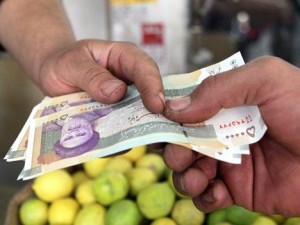 The Wednesday protest in Tehran last week on September 3 was the result of the recent currency crisis in Iran. This so-called foreign currency crisis started last year when the Iranian rial was losing value abnormally. And the difference in the rate of exchange between foreign currencies and rial is rising every second in these days. The rial has fallen by 25% in one week (last week) and has lost more than 80% of its value since the end of 2011. In other words, the rial faces a real free-fall. As a result of this fall, exchange bureaus were unable to do business since the rate was changing every second.


